Vehicle Tracking in 2025: What UK Fleets Need to Know
In 2025, vehicle tracking is no longer just a luxury for large fleets — it’s a necessity for businesses of every size. From real-time data to AI-powered route optimisation, the modern tracking landscape is built to save money, improve safety, and simplify fleet management. Whether you’re a transport firm, construction company, or a local authority, understanding how vehicle tracking is evolving can futureproof your operations and give you a competitive edge.
This blog explores the latest trends in vehicle tracking, the key benefits for UK businesses, and how to choose the right solution.
Why Vehicle Tracking Is More Essential Than Ever
Rising Fuel Costs and Regulation
With fuel prices still volatile and the UK government continuing its push toward net-zero emissions, vehicle tracking is an indispensable tool. Real-time data enables better route planning, engine idling reduction, and proactive maintenance — all of which help you cut fuel use and meet green targets.
Workforce Accountability and Safety
In an era of increased focus on driver safety and compliance, vehicle tracking provides detailed driver behaviour insights. This includes harsh braking, speeding, and working hours — all crucial for improving safety and supporting lone workers on the road.
Top Features of Vehicle Tracking in 2025
1. Real-Time GPS and Telemetry
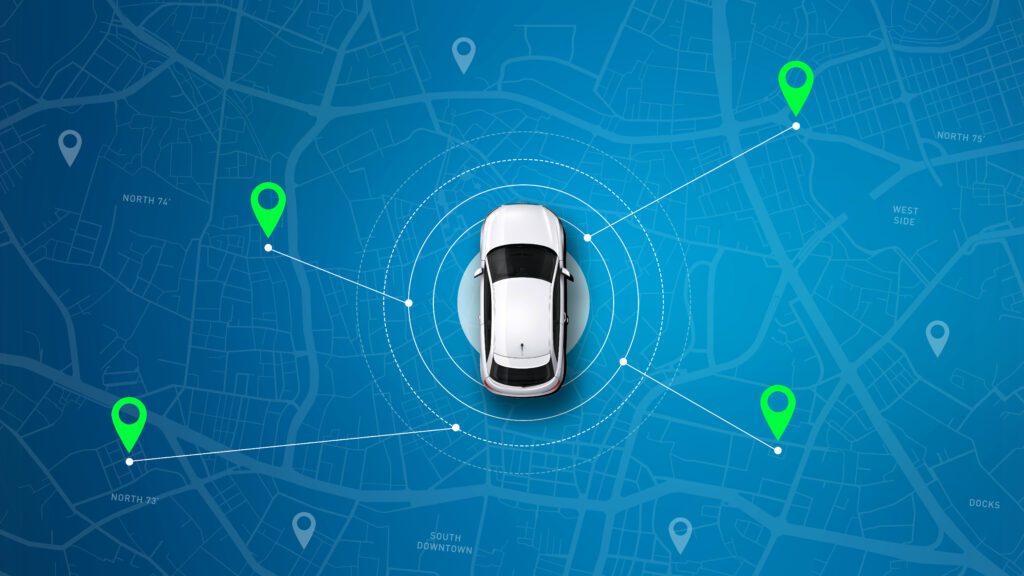
Vehicle tracking today delivers real-time location updates with pinpoint accuracy. This is more than just dots on a map — it’s instant visibility into your entire mobile workforce. Telematics sensors also report engine diagnostics, running hours, and fault codes.
2. AI-Powered Route Optimisation
AI algorithms analyse traffic data, weather conditions, and vehicle load to suggest the most efficient routes — saving both time and fuel. This is especially useful for haulage firms operating under tight delivery windows.
3. Predictive Maintenance Alerts
Modern vehicle tracking systems detect anomalies and predict mechanical failures before they happen. This reduces downtime and improves overall vehicle health.
4. Integrated Asset Tracking
More systems now include asset tracking, allowing you to monitor trailers, tools, and plant machinery from the same dashboard. Explore how asset tracking works.
5. Enhanced Driver Behaviour Monitoring
With built-in accelerometers and AI analysis, driver scorecards provide clear, actionable feedback for fleet managers and drivers. It’s not just about catching poor behaviour — it’s about coaching better habits.
Benefits of Vehicle Tracking for UK Businesses
Cost Reduction
Whether it’s fewer accidents, less fuel wastage, or improved logistics, vehicle tracking helps businesses slash operational costs.
Improved Customer Service
Real-time updates let you provide customers with accurate ETAs and respond quickly to delays or re-routes.
Regulatory Compliance
From tachograph monitoring to working hour enforcement, vehicle tracking supports compliance with UK transport laws.
Enhanced Security
Live GPS data and geo-fencing protect against theft and allow instant alerts if a vehicle deviates from its expected route — a crucial feature for companies with valuable cargo.
Looking to secure your fleet and gain real-time insight into engine hours? Our Checkpoint LoneWorker Solution offers both driver protection and location tracking in one simple solution.
How to Choose the Right Vehicle Tracking System
Not all tracking systems are created equal. When evaluating options, look for:
-
UK-based support and installation
-
Compatibility with existing vehicle types
-
Ease of use for both managers and drivers
-
Data reporting that’s tailored to your sector
If you’re unsure where to start, our guide to fleet management solutions breaks down the key tools available to UK businesses in 2025.
What’s Next for Vehicle Tracking?
As 5G connectivity, IoT, and AI continue to evolve, vehicle tracking will become more predictive and less reactive. Expect tighter integrations with smart cities, insurance providers, and even electric vehicle charging networks.
You can read more on how vehicle tracking ties into our recent blog: Asset Tracking in 2025, where we look at the bigger picture of connected operations.
Conclusion: Now is the Time to Upgrade
The landscape of vehicle tracking in 2025 is all about intelligent data, proactive management, and protecting your assets — both vehicles and people. Whether you operate five vehicles or five hundred, investing in the right solution today sets you up for smarter growth tomorrow.
Want to transform your fleet’s performance?
👉 Visit safetrac-solutions.com to speak with an expert and get started.
FAQ: Vehicle Tracking in 2025 (UK)
1. What is vehicle tracking and how does it work?
Vehicle tracking uses GPS and telematics to monitor a vehicle’s location, speed, and behaviour in real time. It helps manage fleets more efficiently.
2. Is vehicle tracking legal in the UK?
Yes, vehicle tracking is legal, but you must inform employees that their vehicle is being tracked to comply with GDPR regulations.
3. What are the benefits of vehicle tracking for small businesses?
Small businesses benefit from lower fuel costs, improved delivery performance, and better control over mobile workers thanks to vehicle tracking.
4. How much does vehicle tracking cost in the UK?
Costs vary depending on system features, but basic vehicle tracking systems start from as little as £10/month per vehicle.
5. Can I track a vehicle without the driver knowing?
In most cases, no. UK law requires transparency with staff about the use of tracking devices.
6. Does vehicle tracking reduce insurance premiums?
Yes, many insurers offer discounts if your fleet uses vehicle tracking due to improved safety and reduced risk of theft.
7. What data does a vehicle tracking system collect?
Systems typically collect GPS location, speed, engine status, driver behaviour, and route history.
8. Can vehicle tracking integrate with other systems?
Modern systems often integrate with payroll, CRM, or logistics software for seamless fleet management.
9. What is real-time vehicle tracking?
Real-time vehicle tracking means updates are sent continuously, allowing fleet managers to monitor movement live on a digital map.
10. Are there tracking systems for electric vehicles?
Yes, vehicle tracking providers now offer EV-compatible systems that include charge status, range data, and route efficiency tools.